A Perfect Tool
Translated by Julia Bosson
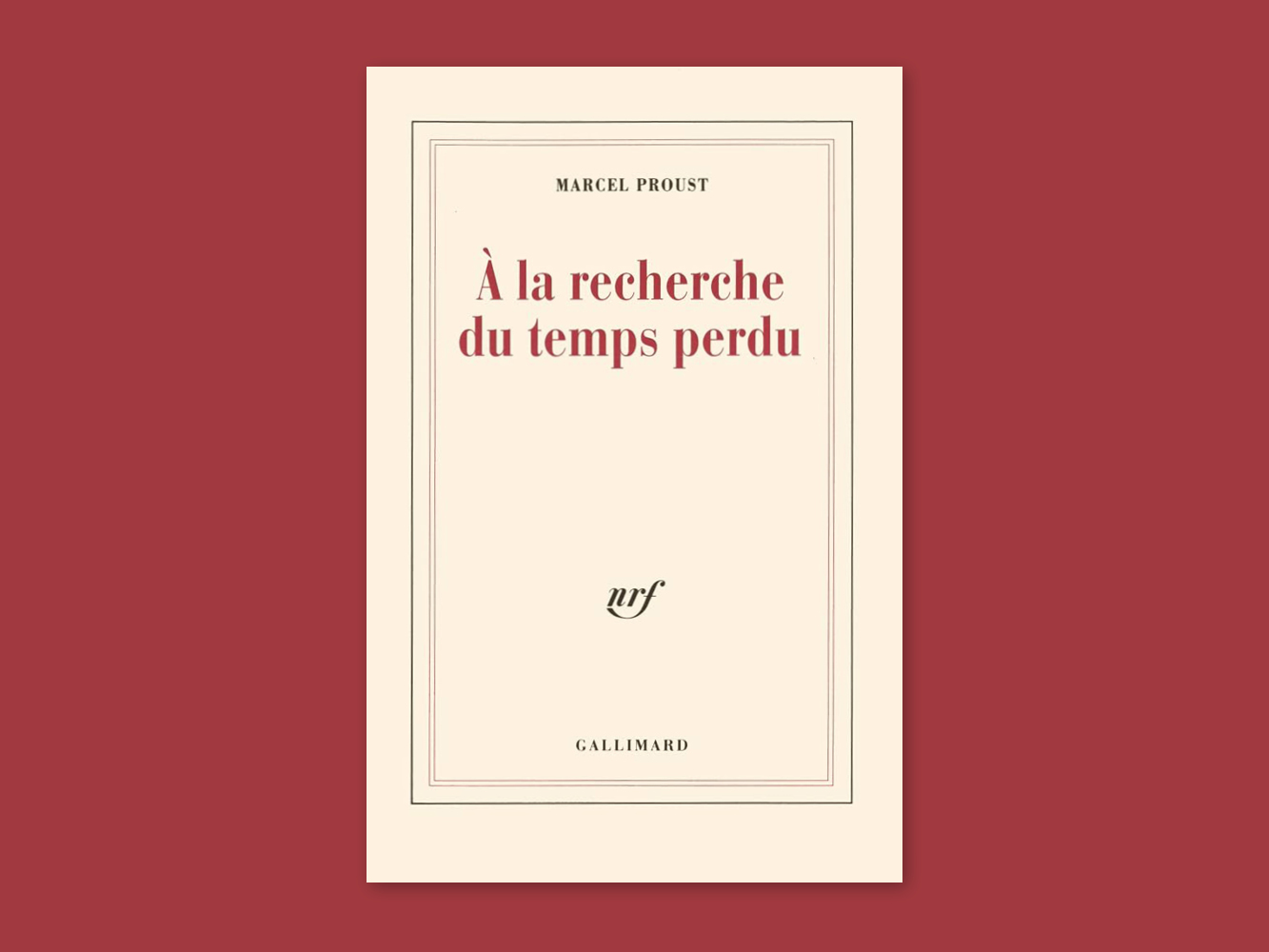
The Recherche is perhaps the perfect tool to train the attention span: Proust writes very long sentences. Sentences designed to confuse you. And once you’ve trained yourself to endure the long sentences — and, if we’re being honest, they can sometimes be terribly dull — you are suddenly rewarded with three pages that feel like a slap in the face: Marcel receives a phone call. It is the first phone call of his life. On the other end is the voice of his beloved grandmother, now severed from her body. Never has Marcel been so close to the voice: “A real presence indeed that voice so near — in actual separation. But a premonition also of an eternal separation!” The novelty of this simultaneous presence and absence heralds the young Marcel’s eternal separation from his dearly beloved grandmother. The voice on the other end appears to him as coming “from depths out of which one does not rise again.” Perhaps it is the older Marcel, the one who writes this down, knowing that his grandmother would die soon after this call, who allows the two memories to flow into one another, the phone call and his grandmother’s death. In these three pages, as in so many other minor moments in the novel, the magic is hidden: A telephone in the Recherche is never just a telephone, a thermometer is never just a thermometer, or a madeleine never just a pastry. These wholly ordinary objects are the settings for or witnesses to our deepest and most profound experiences, yet they often pass us by, unnoticed. Proust reminds us that something as small as a phone call, as small as the use of a thermometer, are events with significance. And in doing so, he offers us memories that are not ours and yet seem as if they were.