Unsocialized Pain
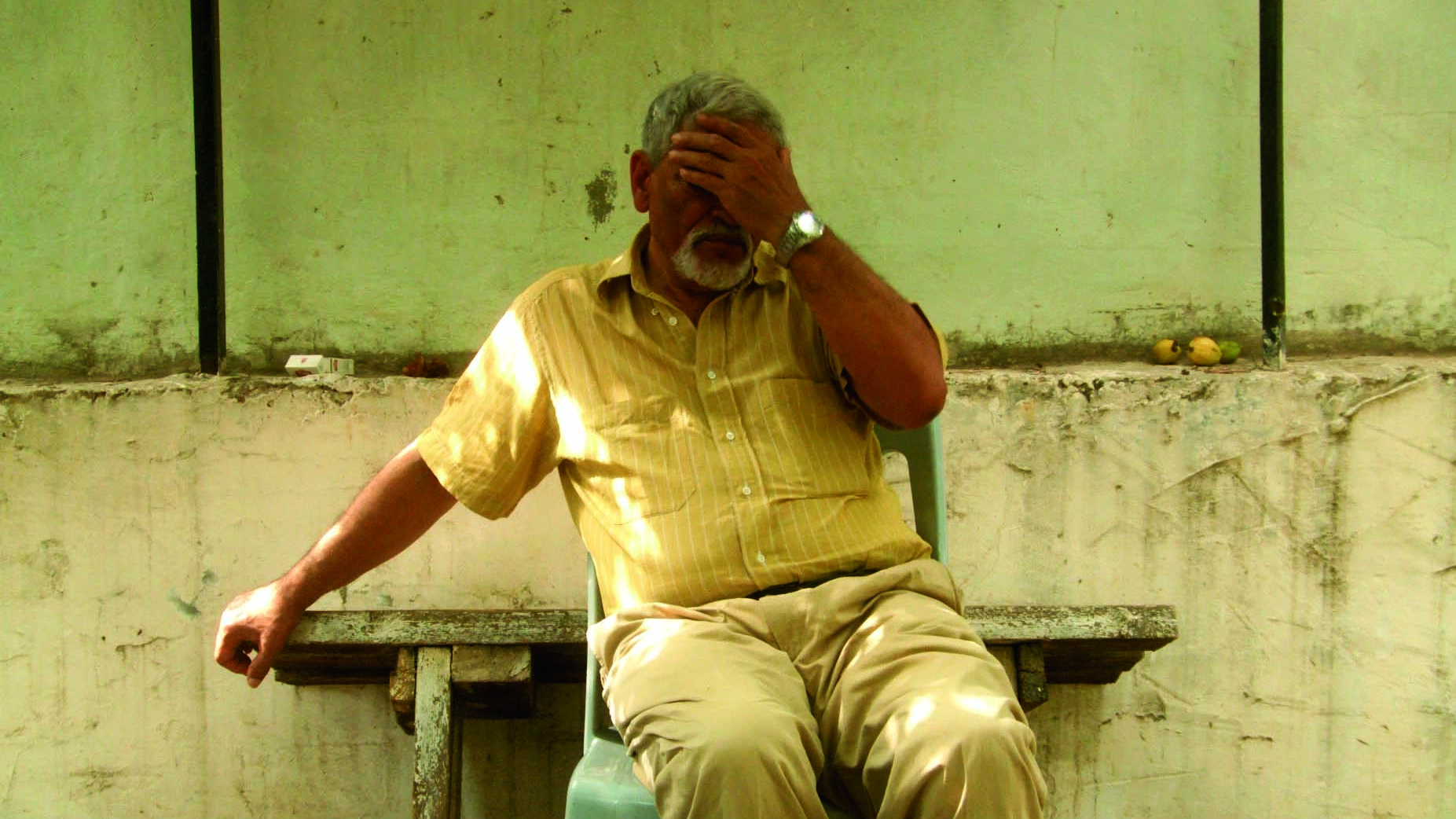
Pary El-Qalqili’s 2012 documentary film Schildkrötenwut opens with a family argument: Musa El-Qalqili is unhappy with a taxi driver’s fare. His daughter, the filmmaker, bristles — haggling over 2.50 euros. Musa does not relent. On the surface, a trivial dispute. Musa appears cheap, intractable. The viewer sides with exasperated Pary. But Musa is not fighting over money. He fights for the right to name the value of things. To relent would be to concede, Yes, you may decide.
Musa is Palestinian, from a Bedouin family expelled from their village and stripped of homeland, family, community, and the ability to transmit an inheritance. He confronts daily interactions as sites of erasure. He fights the taxi driver because he cannot fight the occupation. Minor injustices are the only arena available to him.
Yet Pary is right: arguing over 2.50 euros is exhausting, pointless, and damaging to their already fraught relationship. Pary was twelve when Musa left. But her questions remain pressing. How could he leave her? What grief leads a father to abandon his children? To be present as a father would require accepting exile as home. He could not. So he left. Leaving was not rejection. He left to search for the conditions in which he could be a father — but the search itself excluded his children. That is the tragic paradox.
Musa could never socialize his pain in Germany. Fourteen years later, amid an unfolding genocide, the situation has grown immeasurably worse. El-Qalqili’s Ich Bin Hier, Ich Bin Da (2025) captures Palestinian shock and bewilderment: stepping out to protest bombed hospitals and schools, only to be harassed, beaten, belittled, vilified.
Socialized pain becomes history. The Holocaust entered German memory as a foundational crime. Its victims are honored, memorialized. Palestinian suffering, by contrast, enters public discourse as morally illegible: dismissed, punished, reframed as threatening (hatred of Israel, hostility to Jewish life). Unsocialized pain becomes trauma — tension, insomnia, autoimmune issues, chronic fatigue, digestive problems. Jewish pain is granted universal meaning, Palestinian pain must remain unacknowledged — lest it compromise the victory of liberal feuilleton-besotted humanism. El-Qalqili’s work reveals a jarring incongruity within German democracy: Its ideal of inclusiveness requires the exclusion of Palestinians from the polity.