Mobythicc
Translated from the German by Julia Bosson
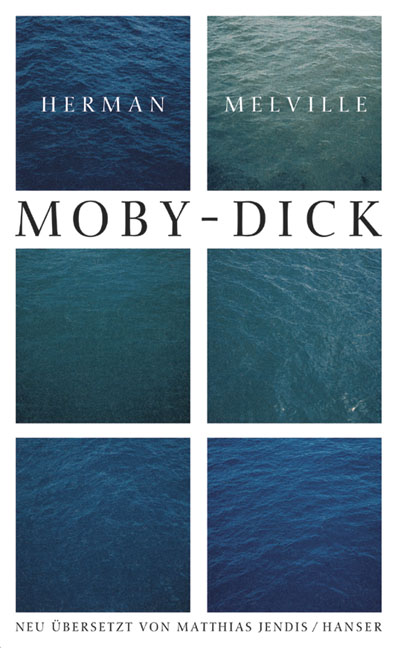
THIS BOOK TOO IS A WHALE. I know everything about whales. Especially how to kill them and cut them up. I know about the significance of sperm, buckets, gallons of sperm (was it steaming?); now I also know that in German it’s called Walrat, which I like much less. I know, obviously, simultaneously, that I know nothing about whales, nothing about the exaggerated slipperiness of whale signs and images, let alone the names. Hundreds of pages and none of them can be trusted: is it a fish or just a god? Hundreds of pages of hopeless taxonomy. I have never trusted science.
“In every way, to read Moby-Dick is to reread it,” writes Greil Marcus. Like blubber on a ship deck, this novel has settled over everything, seeped into every crevice, and already I’m slipping, clinging to Ishmael, Call me Herman, to the huge story about a huge whale that the somewhat battered Captain Ahab chases around the world, to the thrilling little letters that Melville sends to Hawthorne (and they were shipmates), to the themes and tropes, which include: 1. modernity; 2. capitalism; 3. nature; 4. the inadequacy of all language that cannot capture a fish, not in seven hundred pages, not until the end of time; …but I’d rather flip back to sperm.
Ishmael and his comrades are stuck in it up to their shoulders, one careless touch, one squeeze, and they are bound together in the spermaceti’s freakishly soft fabric, for the sake of which some investors have sent them to the edge of the world. My brave seamen hold hands. Moby-Dick is too short for their friendship. Where is Ishmael’s grief for Queequeg, who saves our narrator’s life twice over, who simply disappears? Where is the big reunion, the grog on the white beach? Perhaps in dreams that span beyond the book’s cover.
This book is also a friendship. That is my consolation. That I am allowed to share land and sea with Moby-Dick, that from now on, and at least for a few years, I can dive back into its dirty spray. And maybe, somewhere down there, even brush a hand. I nail the book to my bedside table. I will never put it back.